






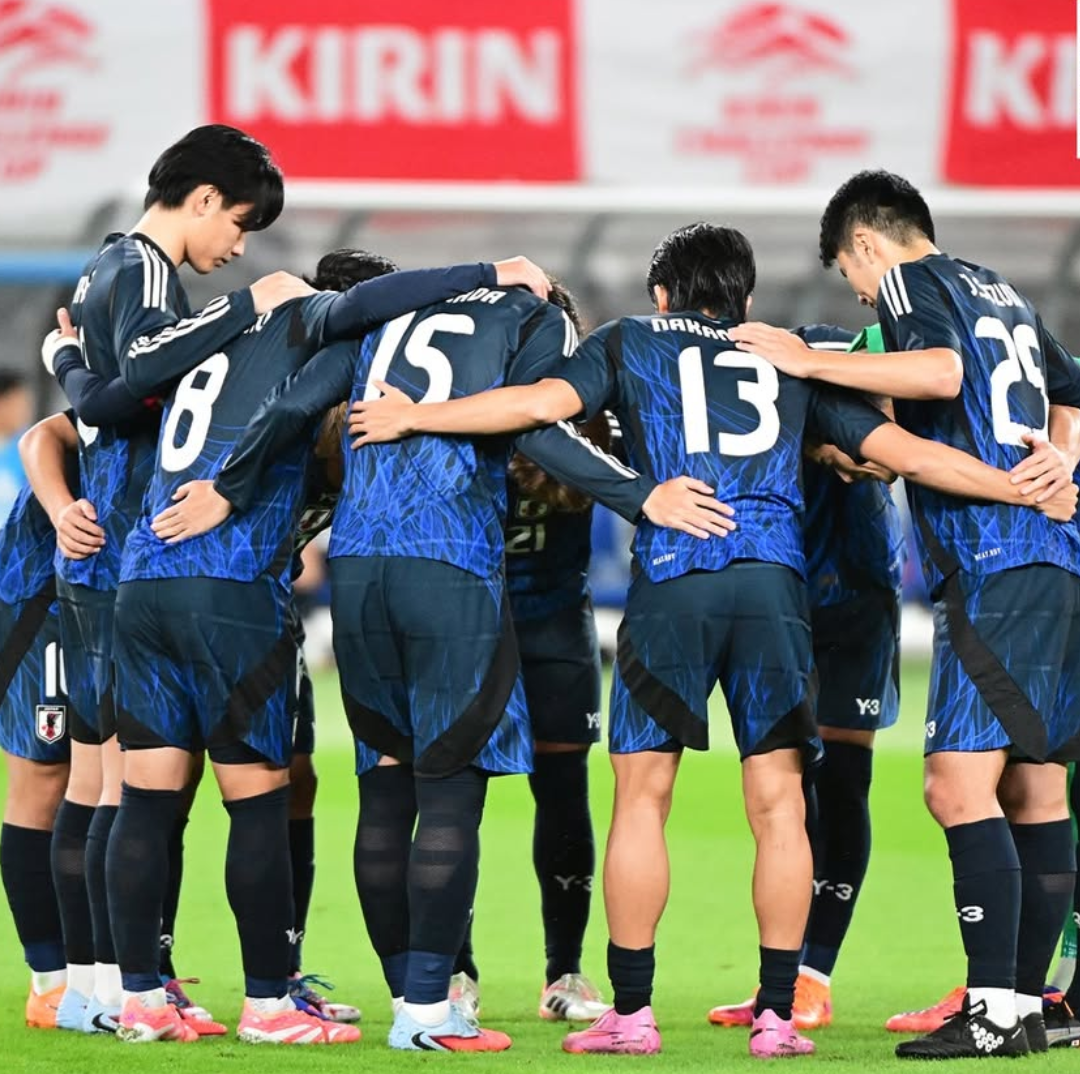
TOKYO — Asian football faces a potential seismic split following reports that the Japan Football Association (JFA) is seriously weighing a historic withdrawal from the Asian Football Confederation (AFC) to form a new East Asian Federation.
The move is reportedly fueled by deep-seated dissatisfaction within the JFA over what it perceives as rampant corruption and the dominating “Qatari influence” within the AFC, leading to decisions that allegedly prejudice East Asian nations and clubs.
A Boiling Point of Frustration
The core of the conflict appears to stem from controversial rulings related to the recently restructured AFC Champions League Elite (ACLE), specifically events affecting Japanese club Vissel Kobe.
According to Iraqi media reports, which have circulated widely, JFA officials are incensed over what they view as a double standard. The AFC reportedly voided all matches involving a withdrawn club (Shandong Taishan), a move that negatively impacted Vissel Kobe’s standing. Despite this, the AFC still proceeded to fine Vissel Kobe for a separate, earlier incident. This disparity is seen by the JFA as clear evidence of manipulation and a system working against their interests.
Beyond club football, the JFA is also reportedly frustrated by the constant, arduous long-distance travel and unfavorable scheduling forced upon its elite players, including European-based stars like Takefusa Kubo, for international match days. This scheduling, they argue, affects player welfare and preparation, and is another example of governance issues within the continental body.
A New Continental Power Structure?
The prospective “East Asian Union” is seen as a radical attempt to wrest control from the West Asian power bloc within the AFC. Sources suggest that if Japan proceeds with the split, they could be joined by other nations feeling marginalized. Remarkably, one report even suggested that Iraq could be among the first to join a Japan-led breakaway body, signifying the depth of dissatisfaction that extends beyond East Asia.
Such a split would fundamentally reshape the landscape of Asian football, raising critical questions about:
- World Cup Qualification Slots: How FIFA would allocate World Cup places to two competing Asian confederations.
- Financial Viability: The impact of losing the lucrative funding and sponsorship that comes largely from the wealthy Gulf nations.
- Regional Dominance: The creation of a highly competitive East Asian qualifying group dominated by football powerhouses like Japan, South Korea, and China.
While the feasibility of immediately establishing a new FIFA-recognized confederation remains a significant challenge, the reports underscore a major political and administrative crisis at the highest levels of Asian football. The JFA’s open consideration of this drastic action is a clear warning shot that the current structure of the AFC may be unsustainable.